Perimetric Alarm System Reviews
Securing your property’s perimeter starts with being fully aware of the perimeter and identifying all high-risk areas. With this knowledge, you will be able to take the most appropriate security measures to keep everything safe.
You should:
Do a thorough survey and carefully examine all boundary areas. When dealing with large features with a large radius, it can be helpful to use a drawing or design plan as a reference. Identify entry points including all doors, windows, doors, and openings. Consider reinforcements like walls and fences. , doors, etc., for their strength, size, coverage, and height. Determine weaknesses that could make your property more accessible to intruders, such as low walls and fences that can easily be lifted or broken. Choose appropriate security measures to make the frame strong, secure, and indestructible.
There are different types of perimeter security systems, each with its own advantages and disadvantages. What may be best for one type of property may not be very effective for another.
As a general rule of thumb, a good perimeter security system should:
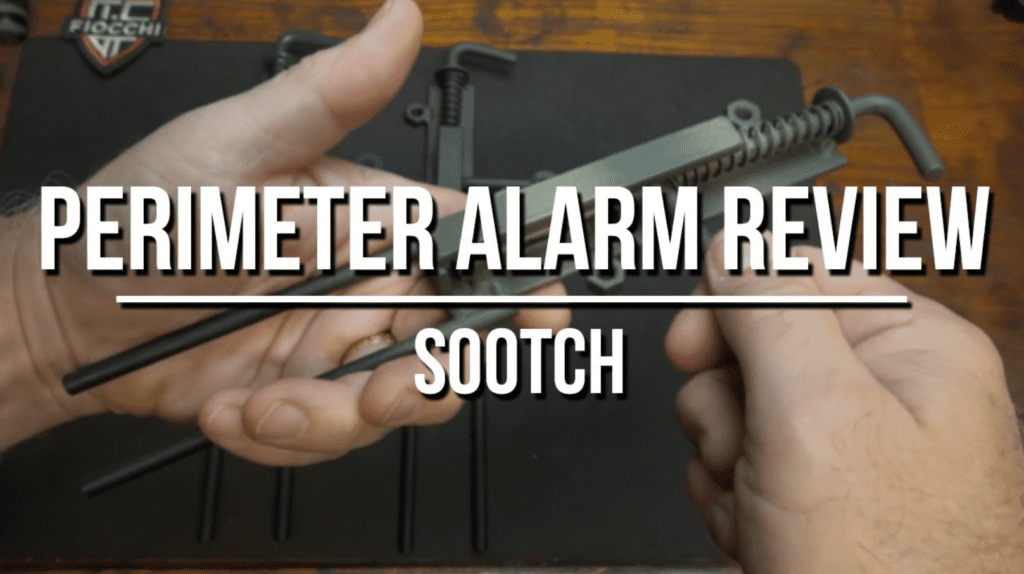
Comprehensive to provides quick, complete coverage to detect intrusions, leaving no blind spots and vulnerabilities, stealth to protect sensors from tampering, weather-resistant to withstand weather and environmental conditions, non- Stable against hazards such as pets and general noise, and interference.
Wireless Perimeter Alarm System
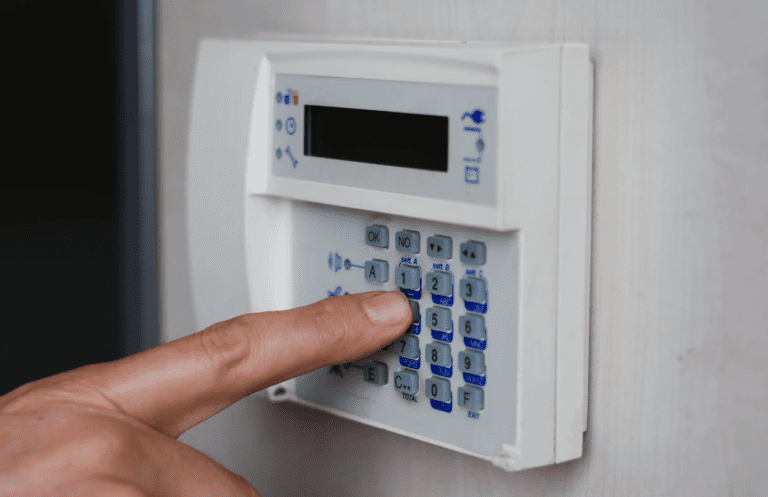
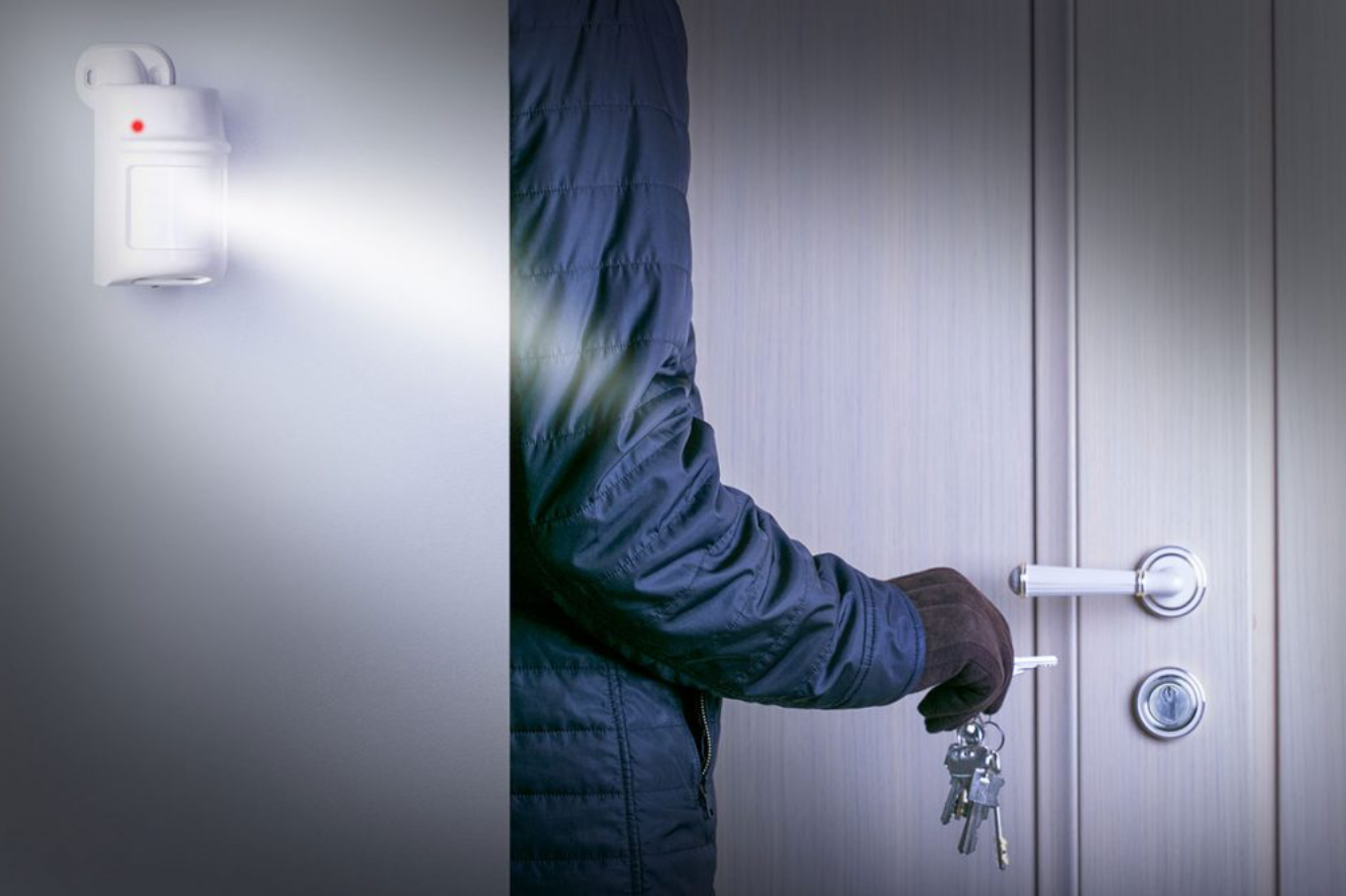
A perimeter alarm system is a basic security system that works on the simple concept of protecting all entry points from unauthorized access. It uses several components including a control panel, sensors, cameras, and a high-decibel alarm or siren.
Sensors are strategically placed on the frame to achieve contrast based on the nature of the sensor. They send the signals to the control panel, which is placed in a secure place, after which an alarm sounds to alert the nearby people and concerned authorities in case of alarm monitoring.
There are different types of sensors that can be used to protect the frame. The most common include:
Passive infrared (PIR) motion sensors
Also known as PIR sensors, these are the most common type of sensors used in alarm systems that detect, you guessed it, motion.
These are a practical and affordable choices for perimeter security that works by detecting changes in ambient temperature as well as body temperature, and if the sensor detects any temperature due to the presence of an intruder or foreign object. An alarm is triggered if the temperature rises.
Door and window sensors
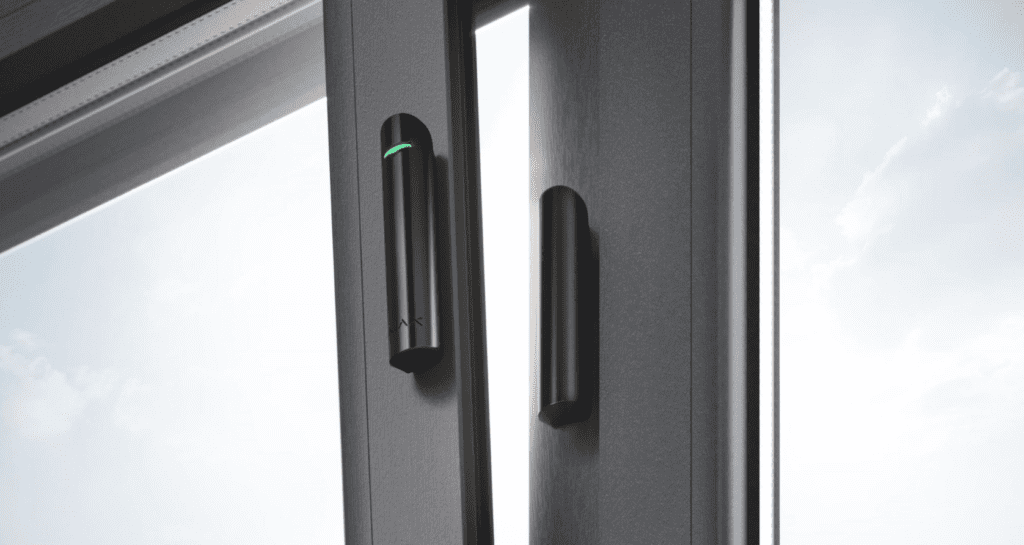
They come in two parts, one mounted on the door or window, and the other on the door frame or window sill.
When the door or window is closed, the two parts of the sensor combine to form a closed circuit. However, when they are suddenly opened, the circuit breaks and sends a signal to the control panel to sound the alarm.
Glass break sensor
Some criminals will go to any lengths to get what they want, and that includes breaking things and damaging your property.
Glass break sensors pick up different frequency bands that are generated when glass breaks and immediately trigger an alarm if a door or window is broken.
How do wireless perimeter alarm systems work?
Alarm systems come in two basic types: wired and wireless.
While wired systems use wires to connect system components, including alarms and sensors, wireless alarm systems do so using radio signals via battery-powered sensors.
A wireless alarm system works just like a wired system except for how they are connected and powered.
For perimeter security, it makes more sense to choose a wireless alarm system since setting up a wired system can be a hassle, especially for properties like farms and yards.
Wireless perimeter alarm systems offer many advantages over their hard-wired counterparts including:
Quick installation
Installation of wireless alarm systems is quick and easy and can be completed in minutes, without having to deal with substantial structural changes such as drilling and difficult wiring.
Portable and hassle free
Components, such as sensors and cameras, are very easy to move from one place to another. You can change their position or install them in a completely new location, and it will hardly take a few minutes.
Remote smartphone access
Wireless alarms are state-of-the-art systems that not only provide ease of installation but also convenience and added security in the form of remote monitoring and control via a smartphone app.
Battery backup
Although wireless alarm systems operate using electricity, they can be switched to battery backup in the event of a power failure or outage. That way, you’ll be able to stay safe, even if the rest of your property has no power.
Professionally monitored perimeter alarm systems
Instead of simply sounding an alarm for people nearby to hear and take action, monitored alarm systems are connected to a central monitoring station where the first alarm is verified and, depending on the type of contract – keyholder or police response – concerned persons or authorities. Contact is made immediately.
Surveillance systems provide the highest level of security regardless of the time of day (or night) and guarantee a response and can always be trusted.
They are an excellent choice for property owners looking to secure their perimeters and are particularly effective if the property is in a remote or uninhabited area, such as at night.
Other perimeter security solutions
In addition to a wireless alarm system, there are other steps you can take to protect your perimeter from intruders and ensure that intruders never attempt to break into your property.
Fix structural weaknesses.
Burglars and intruders are always looking for opportunities, and leaving your property vulnerable gives them an advantage over you, making it easier for them to break in and less likely to get caught. are
The first thing they look for to target a property is structural weaknesses such as weak walls and fences, weak doors and locks, broken windows, loose boards, rotten wood, and an overall damaged exterior…
When securing your perimeter, you should make sure that the fence or wall is strong enough not to break easily and reinforced to make it stronger against attacks.
A wooden fence is a safer option than wire as the latter can be easily disassembled, and that too quite quickly. You can combine both, wooden fences and wires, and make it even more difficult for intruders to get in by running electric wires along the wooden fence boards.
You also need to ensure that gates and fences cannot be easily lifted and that main doors and windows are inaccessible by securing them with strong frames, good quality locks, and steel bars.
Security lighting
For obvious reasons, burglars and intruders hate anything that catches their eye and look for poorly lit features to target because they provide them with just the right amount of cover.
Illumination of the scope will help keep everything in clear view, especially at night when visibility can be compromised.
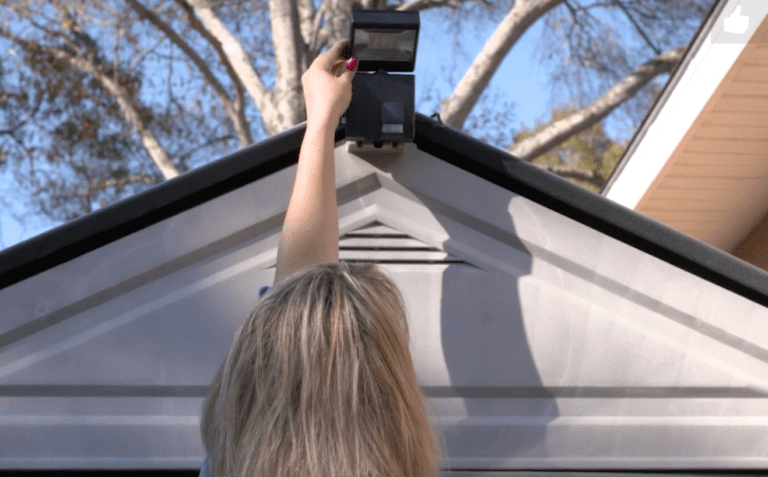
Motion sensor lights are an excellent choice for frame protection and are an effective deterrent against intrusions.
They automatically turn on as soon as someone steps under them and can be placed along the entire length of the perimeter.
They can be particularly useful not only in deterring intruders from trying to gain access, but also in alerting owners and neighbors of the intrusion.
CCTV cameras
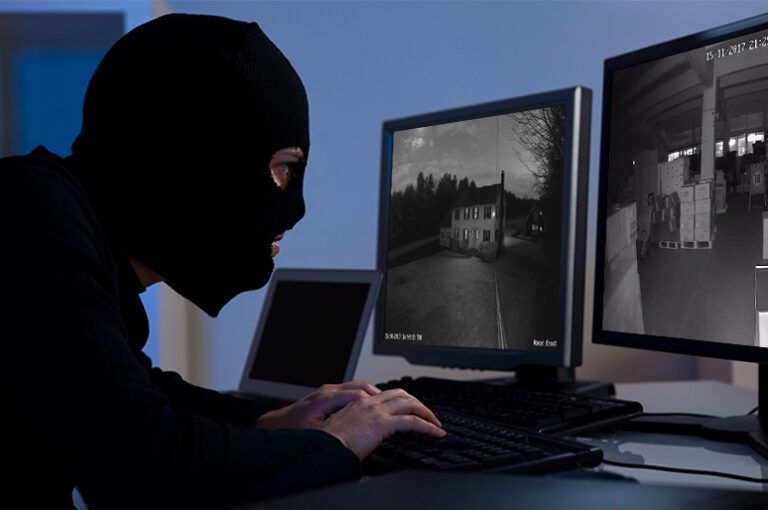
CCTV cameras are a great invention and a real help in security. They enable you to keep a watchful eye on all areas of your property and their presence deters potential thieves.
Used with an effective alarm system, they provide a lot of coverage and help keep an eye on every inch of the perimeter.
Strategically placed CCTV cameras are highly effective in deterring anyone planning to commit a crime for fear of being seen, recorded and possibly caught.
The most popular types of CCTV cameras include:
- Bullet CCTV Cameras Dome CCTV Cameras C-Mount CCTV Cameras PTZ Pan/Tilt/Zoom Cameras Day/Night CCTV Cameras Infrared/Night Vision CCTV Cameras Network/I PC CCTV Cameras Wireless CCTV Cameras High Definition (HD) CCTV Cameras
Choosing the best depends on many factors including camera resolution, field of view, placement, power supply, budget, and additional features including professional CCTV monitoring, smartphone notifications, remote access, and two-way communication.
However, if you plan to install a CCTV camera outside your property, there are certain legal requirements to be met. Read about CCTV laws for businesses and property owners here.
Get a protection dog.
Used for centuries to guard all kinds of property, dogs are intelligent creatures that, if properly trained, can overcome inconsistencies in their surroundings such as words, sounds, and body language, and assess situations. You can understand what the danger is. What is not
Curious by nature, dogs love to roam and sniff and are great at keeping an eye out for intruders near the perimeter of the property.
They are intimidating and one of the best barriers against intruders. The mere sight of their strong jaws and sharp claws is enough to scare away intruders and if activated, security dogs not only bark at criminals but also attack them if necessary.
Some of the best guard dog breeds include German Shepherds, Rottweilers, Dobermans, Akitas, and Rhodesian Ridgebacks.
The security systems that are usually installed are very useful for alerting about an incident, but they are not able to detect the possibility of a problem occurring in the area that we have secured. . A perimeter alarm is the right tool to prevent these types of situations and react before they happen.
What is a perimetric alarm?
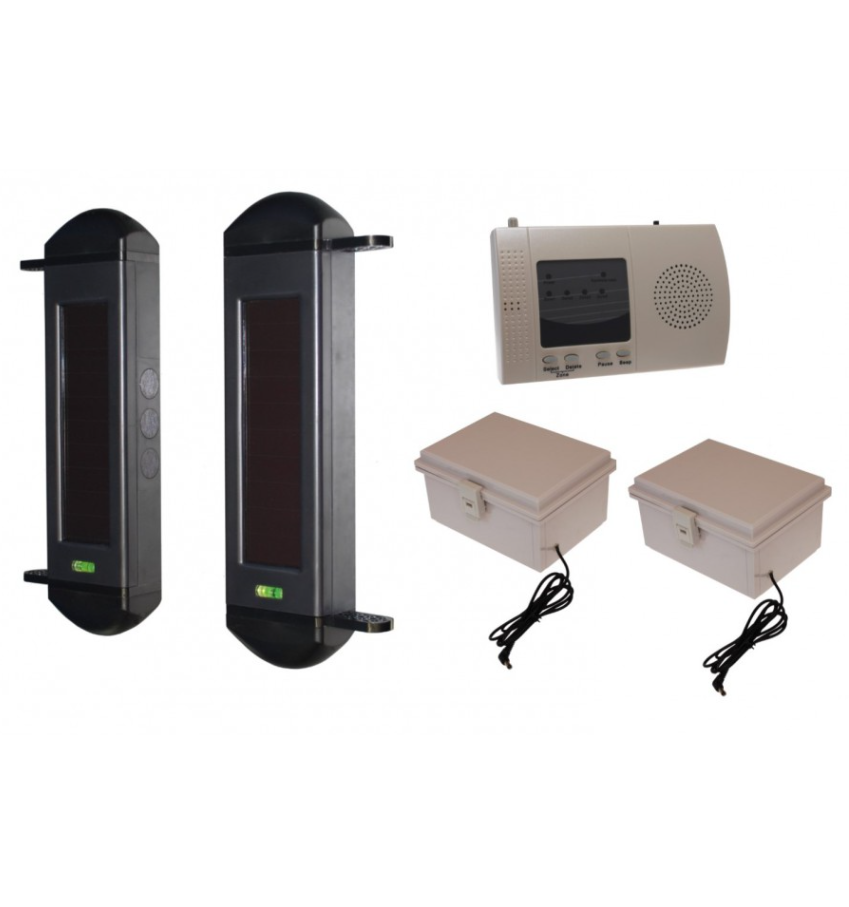
It is a device that is compatible with other existing alarm systems. In fact, it increases their functionality, as it allows the detection of an intruder in the vicinity of the protected area and the issuance of a corresponding notification. In this way vandalism, robbery or other crimes can be avoided in the surroundings of the property.
Essential components in the functionality of a perimeter system are its integrated sensors, capable of detecting any type of movement and following pre-established activation protocols.
Types of perimetric equipment
Today we can find many perimeter alarm systems in the market which differ from each other in the way they work. In order to decide which one is best suited for each space, it is important to know their basic characteristics.
Microwave barrier perimeter alarms are best suited for outdoor areas. They create a vertical wall of microwave beams that sound the alarm as they pass through. A similar option is the infrared barrier variant, which is also much easier to install.
You can also install an alarm with motion sensors buried in the frame for safety. They activate an electromagnetic field that triggers an alarm whenever there is an intrusion.
Even better is the fence-detecting frame device, which activates before crossing a wall. It uses vibration sensors installed throughout the area and stops the intruder before any action is taken.
Finally, a frame alarm with video cameras installed in strategic points of the area also allows the detection of intrusion by multiple persons in parallel. In addition, recordings resulting from surveillance can be used as evidence if necessary.
Using a perimeter alarm
Companies, homes and all types of outdoor spaces can benefit from installing a perimeter alarm. One needs to remember that its primary purpose is to detect infiltrators entering an area. Therefore, it can also be applied to parking lots, roofs and gardens, just to name a few examples of its uses.
In the case of homes, motion sensors alert residents to the presence of unauthorized persons in protected areas. In addition, the captured images are sent to a receiving center, which triggers a security protocol. These sensors are ready to withstand climate change and even distinguish whether an intrusion is by humans or animals, to avoid false alarms.
Of course, it can also be used in companies that have land around them, and protect areas that contain valuables, such as gardens and parking lots.
Advantages of installing a perimeter alarm system
The perimeter system’s motion sensor offers perfect accuracy when covering the parcel’s perimeter. To ensure good results and avoid false alarms, it is important to set the unwanted interference parameters appropriately.
If these requirements are met, the system is one of the best area protection barriers, with the added value of being a passive device that guarantees protection without endangering anyone’s life.
Finally, one should not forget that a perimeter alarm is capable of covering a large area thanks to its motion sensor and other complementary accessories.
Video analytics for perimeter alarms
When choosing an alarm system that uses video surveillance, installing video analytics will allow us to improve the performance of the installed system. The ability to react quickly to a potential incident is a major advantage of this high-quality technology, which gives us the ability to quickly detect intrusions. Another positive aspect of this is the reduction of false alarms, which are mainly due to intrusions into the animal realm.
Grecom’s video analytics for perimeter system cameras provide added efficiency and security while preventing potential intrusions into a controlled space. Whether you have day or thermal cameras, they can be integrated into your installed system to better detect potential threats.
Sentinel CCTV is Grekkom’s video analytics system, which can be adapted to day cameras to effectively distinguish and classify objects, keeping pre-installed parameters in mind.
On the other hand, Sentinel is a video analytics option for thermal alarm systems that use thermal cameras. It is characterized by 3D analysis in that it performs the rays emitted by the objects being analyzed.
Finally, the video analytics offering for perimeter alarm systems is complete with Grekkom’s Sentinel SPSA, with alarms that can adapt to all types of cameras, homes and structures.
Factors to consider when choosing a perimeter alarm
The market today has a lot to offer when it comes to perimeter alarms. This can be overwhelming especially if you don’t know which alarm best suits your needs. So below we have summarized some of the main factors that you need to consider:
Weather proof
Perimeter alarms must be highly resistant to extreme weather conditions to remain active. So even during heavy rain or snow, you can still keep an eye on your driveway or property and get peace of mind.
Correct detection
Low-quality sensors can falsely trigger alarms for high winds, a passing car, or a dog running around your yard. You don’t want to get this kind of warning. Make sure you choose a device with a highly calibrated sensor with good range and sensitivity to prevent false alarms.
Installation
As much as possible, you want your appliances to be easily installed without the need for a lot of wiring or drilling. Most perimeter alarms these days can be easily installed without the need for a professional – simply place the device in the area you want to monitor and plug into the nearest standard outlet.
Range of transmission
The best driveway or perimeter alarms should have a long range (1000 feet of transmission range is highly recommended) so you can accurately detect an intruder, especially if you have a large property. If your device has a low transmission range, you may be able to sound an alarm if someone enters your property.
Types of perimeter alarms
The perimeter alarms you can find in the market vary depending on the type of sensors used. Before you can decide which perimeter alarm will work best to protect your property, it’s important to first know the types of alarms available. We’ve summarized the most common types below:
· Microwave Barrier Perimeter Alarm
Microwave barrier perimeter alarms are one of the easiest devices you can install outdoors. These alarms generate a microwave beam that triggers an alarm when someone walks over it. So whenever someone walks, crawls, or runs through the detection zone, the devices will detect changes in the field, send a signal to the receiver, and turn on an alarm to warn you. Microwave barriers are ideal for outdoor installation as they are highly resistant to extreme weather conditions such as fog, rain, wind and snow. It is more accurate when it comes to detecting targets and blocking unwanted alarms.
· Buried motion sensors
Motion sensors buried within your property can also be a great option for intrusion detection. When placed underground, these sensors can detect motion through changes in the electromagnetic field and trigger an alarm. The advantage of buried sensors is that they stay hidden in your protected areas – no one can easily see or dig into your devices because only you, the owner, know where the sensors are located.
· Perimeter alarm with fence detection
Fence detection alarms use vibration sensors to detect movement within your property. The good thing about fence detection alarms is that intruders can be detected before they can cross a wall where sensors are installed. So if you use this type of alarm to monitor the perimeter of your home, you can stop the burglar before he enters your property.
Benefits of installing a perimeter alarm at home
Perimeter alarms can cover a large area with built-in motion sensors installed in devices. Most alarms available today offer high accuracy so you can prevent unwanted alarms such as a passing dog or high winds that could falsely trigger the alarm. And best of all, these devices are passive. You can monitor your property and take quick action without risking a life.
If you have a large property or a long driveway, having a perimeter alarm system installed in your home will give you an edge against break-ins.
How to choose the best wireless perimeter alarm system?
The reason for investing in a security system is to ensure that your property is protected from threats at all times and, to ensure that this happens, you need to install a system that is right for you.
When choosing the best wireless perimeter alarm system for your property, there are a few questions you need to consider before making a decision:
What is the reception limit?
Because wireless alarm systems operate using radio frequencies, they can only work effectively up to a certain radius, beyond which they can lose signals and valuable information.
It is therefore best to install a system with a longer reception range, especially for larger properties such as farms, storage yards, large barns and stables.
Is there backup power?
As with every major electrical device on your property, wireless alarm systems operate using electricity from the mains supply.
However, you need to be mindful of what will happen during a power outage and whether the system is prepared to handle the situation by using fail-safes such as backup batteries.
What are the additional features?
You can invest in an alarm system that has basic features like motion sensors and alarms, or you can choose a more advanced one with additional features like CCTV cameras, smoke, flood, and carbon alarms. Monoxide detectors, integration with other security systems, and professional monitoring.
Some alarm systems only trigger alarms to scare off intruders, while others also notify security companies and relevant authorities. It all comes down to your security needs and the budget you have in mind for the system.
Does it integrate with other smart technologies?
Most properties these days use smart technology and try to integrate every device so that they can be controlled through a single platform. Your smartphone app.
If your alarm system has this feature, you can connect it to your smart security lights, CCTV cameras, and smart locks to make your property more secure and efficient.
Professionally monitored perimeter alarm systems
Instead of simply sounding an alarm for people nearby to hear and take action, monitored alarm systems are connected to a central monitoring station where the first alarm is verified and, depending on the type of contract – keyholder or police response – concerned persons or authorities. Contact is made immediately.
Surveillance systems provide the highest level of security regardless of the time of day (or night) and guarantee a response and can always be trusted.
They are an excellent choice for property owners looking to secure their perimeters and are particularly effective if the property is in a remote or uninhabited area, such as at night.