Are Smart Home Security Systems Safe
The market for smart home security systems has exploded in recent years, and this growth is likely to continue well into the future. There are several factors that contribute to this climb. The widespread adoption of working from home due to the COVID-19 pandemic has led to more time being spent at home, and therefore home security has become a priority.
There is also the ubiquity and (relative) affordability of smart home security systems. Once considered a luxury, these home surveillance camera setups are now accessible to more consumers thanks to big tech players like Google and Amazon — but there’s a potential problem. With their Nest and Ring smart home security systems, Google and Amazon dominate the smart home security market. This is not surprising, as they largely dominate the IoT space and Internet infrastructure.
This begs the question: With Google and Amazon leading the charge, are smart home security systems a paradox? The security and privacy issues associated with these Big Tech behemoths are well documented. So, are smart home security systems safe to use? Here’s everything you need to know.
What exactly are smart home security systems?
The concept of surveillance through security cameras is familiar to most people. Until recently though, this technology was not widely available to the general public. Moreso, for example, was deployed at businesses, gated communities, and retail stores. However, in the last few years, this has all changed.
With Google’s Nest products and Amazon’s Ring products now easy to buy and configure, smart home security systems are no longer the luxury they once were. But how do they work now? Essentially, these products are a system of Internet-connected devices, consisting of several key components.
Cameras
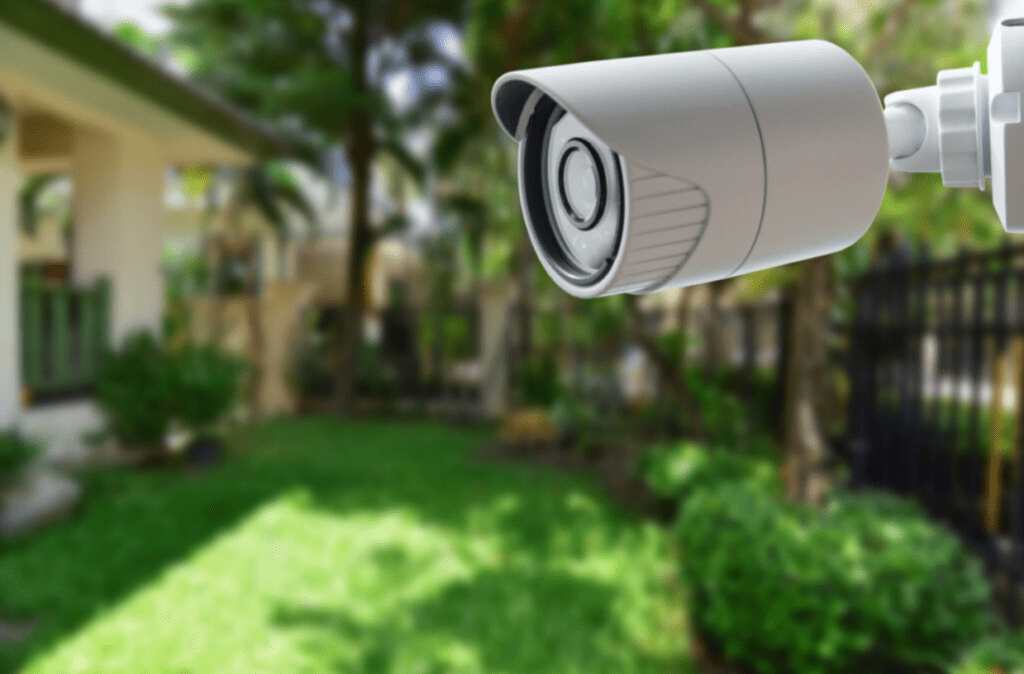
The most important components of a smart home security system are cameras, which are placed in strategic positions around the owner’s home. The perimeter of protection can be extended by adding additional cameras, thus covering potential blind spots. But often, camera coverage starts at the front door. To provide real-time surveillance, these cameras are connected to the home Wi-Fi network for live streaming.
Smart technology
Security cameras are powered by basic smart technology that makes them more efficient. They usually have motion sensors and people sensors. Additionally, some have facial recognition technology, glass shatter sensors, and intrusion sensors. In the case of Nest and Ring, they also have Google Assistant and Alexa integration.
Monitoring Center
Basic smart technology can be leveraged to send notifications to owners whenever something important happens. This includes anything from motion detection to the appearance of an unfamiliar face. Whether prompted or not, owners can access camera live streams at any time through the Monitoring Hub. These hubs usually work within an app.
Cloud storage
A final but important component of smart home security systems is cloud storage. While some of these systems may use local storage, the most popular ones rely on cloud storage to store video footage. Using cloud storage also allows owners to rewind in case of any significant events.
Are smart home security systems safe to use?
Although smart home security systems are supposed to protect consumers’ homes, the reality is that your privacy may be at risk if you use them. And it has everything to do with Google and Amazon.
Nest’s Privacy Statement and Ring’s Privacy Notice contain some alarming details; Both Google and Amazon reserve the right to share your camera footage with law enforcement without a warrant. This is for emergencies only, but it’s easy to see how it could be misused. Amazon has even created a form where law enforcement can request access to the color footage upon request.
Police have reportedly used this process eleven times to obtain color videos from Amazon. For its part, Google claims it has yet to share Nest footage with police without a warrant, but that doesn’t mean it won’t. While a total of eleven hours may not seem like much, there is no guarantee that law enforcement requests will not be forthcoming in the future. And with little public oversight, these processes lack a great deal of transparency.
Ultimately, smart home security systems are not inherently unsafe to use. But if you really care about your privacy, you should probably avoid Nest and Ring, which can be difficult to do. And even if you don’t use them, there are other security considerations at play, like the possibility of hacking.
Can hackers attack a smart home security system?
It’s no secret that online threats abound. Exploits and vulnerabilities are a constant, and so by living in a “smart home” you open yourself up to them. By setting up a smart home security system, for example, you immediately run the risk of the system being hacked.
This might sound like the unexpected conclusion straight out of a dystopian sci-fi flick, but you should still be prepared for it. Just because something seems impossible, doesn’t mean it’s impossible. And the potential financial and privacy implications of a compromised smart home can be devastating. Therefore, if you decide to install a smart home security system, you should take extra precautions to protect it. Follow standard best practices for new devices, such as changing the default passwords installed on your smart home security devices, and securing your smart home security accounts with two-factor authentication.
How to Protect Your Smart Home Security System
A VPN, or virtual private network, is one of the most essential privacy technologies for everyday web use. It encrypts your connection to any network, and masks your real IP address, thus protecting your personal web usage from outsiders. This has obvious advantages over public Wi-Fi hotspots, but VPNs are also incredibly useful for securing smart homes.
So, how can you use a VPN to secure your smart home? The answer is through a VPN router. A VPN router is simply a Wi-Fi router configured for use with a VPN service. By connecting your smart home security system to a VPN router, the entire system will be protected by VPN encryption. However, the protection doesn’t stop there. This VPN extends to any device connected to the router, including desktops, laptops, mobile devices, and even smart TVs and appliances.
If you’re looking for the best VPN router, look no further than IPVanish. You can purchase pre-configured routers for use with IPVanish VPN, or set up your own compatible VPN router with your IPVanish account.
Benefits of Smart Home Security
At Avisoes, we believe that smart home security is a necessity to help you bring peace of mind as a homeowner or business owner. Security systems are now very smart. For example, they can watch your home at night, they differ from traditional security systems because they have limited functionality. Smart systems can monitor your home and generate alerts in real time. They can be accessed through mobile devices or desktops. Following are the benefits of smart home security.
Helps protect your belongings.
Since most criminals target expensive gadgets, pharmaceuticals, and jewelry, a smart home security system can help you and the police detect break-ins. This increases your chances of catching a thief and reduces the costs of a break-in. Adding a smart home security system to your home will help secure your assets and property. According to recent surveys, burglary costs an average of £1,700 per victim.
Integrates well with home automation.
One of the most attractive aspects of buying a home security system is how well it integrates with other smart home devices. Smart lighting, door locks, and now smart thermostats also fall into this category. All can be easily connected and viewed through your app or website on your laptop, tablet or smartphone through your smart security system. For example, you can create a power-on mode on your TV, turn on the air conditioning, or even enable Alexa to send you the latest updates when you return from work. can provide, for example. These small comforts can make your life easier and happier.
You can get it practically anywhere.
Smart home security can be controlled using your devices such as smartphones, laptops or tablets. This allows you to access it from anywhere. So, you will be able to check your security cameras and control other things in your home from wherever you are.
You will be protected 24/7.
Some traditional home security systems require you to turn them on and off every time you enter or leave your home. However, your smart home security system is on 24 hours a day, seven days a week, and therefore can send you notifications throughout the day depending on how you program it. This can help you avoid turning it back on and leaving your home unprotected. Additionally, some systems support motion detection and can send emergency messages if something is wrong.
It has never been easier to use.
New smart home security systems are becoming wireless, allowing you to take them with you anytime. It also makes moving to a new residence much less difficult. Your cameras and wireless sensors are easy to install and up and running in minutes. Additionally, you can do all this without Wi-Fi through your smart home app.
It is a complex system.
Smart home security systems are more sophisticated and user-friendly than traditional security systems. Instead of just monitoring basic access points, a smart home system can monitor actual activity and send you text messages if it detects any questionable activity.
For example, if a burglar cuts the phone line, your new smart home security system can detect it and alert you. Especially considering that this is a frequent process before returning home. Additionally, your smart home system communicates with you through an application or desktop platform that can send you notifications if it loses contact while protecting your home.
Prevent theft
The best way to avoid robbery or damage is to avoid robbers approaching your property in the first place. How do you do that, though, exactly? Using a smart home security system. For example, an alarm system is often only there to deter criminals from staying in a home.
In fact, a 2012 survey showed that 60% of burglars would leave their home if they had a home security system. So, they turned to easy targets, namely habitats that lacked security measures. What’s more, 50 percent of those who discovered it were panicked when they returned home.
Lower your home insurance rates.
Many insurance providers offer discounts or lower premiums to customers who install security systems. This is because residences using these systems are less prone to theft, fire or water leakage. This means the insurance provider will have to handle fewer claims, for which they will be compensated.
Save money
Did you know that implementing smart home technology can help you save money? Yes, that’s right! As previously stated, having a security system can save you hundreds of dollars in theft and property damage.
On the other hand, a smart home system can help you save money on your electricity bill. Typical home security systems use a lot of energy, while these use very little. Additionally, if you opt for complete smart home automation, you will save a lot of money. It lets you control when and how your lights turn off, as well as the temperature of the house. This control can not only save you money, but it can also deter criminals. Burglars are less likely to attack a residence if it appears occupied, so keep the lights on.
Peace of mind
You might be surprised to learn how much protection a smart home security system can provide. The simplicity and security a system like this provides is priceless. You won’t have to worry about your family, pets, or belongings being safe again. Rather, you can rest easy knowing that your home is safe from all types of damage, whether by people or by accident. There are many benefits to installing a home security system, but there are even more benefits to using a smart home system. You won’t be satisfied with the added security, performance, and flexibility of use.
Proactive instead of Reactive
The security systems currently in use are insecure. This is due to the fact that they are quite responsive. This means that such systems will only alert you when a problem is occurring or has occurred. For example, carbon monoxide emissions or fires. However, smart home security systems are very functional. You can better protect your space. For example, you receive quick updates of important information about tasks that require your smartphone to focus on. For example, you’ll receive a notification at the back door if you neglect to lock it. Similarly, motion sensors will also notify you if a child is walking towards the front door late at night.
Monitor more than your home.
If you have cameras installed around your home, you can monitor your home from anywhere using your smartphone. You can check how everyone in the family is doing even when you are not at home. If you have, you can also watch your children after they return home after school. And if they are doing their school work or playing around.
Be in control
Have complete control over your home with smart gadgets. Your location becomes much more responsive at the same time. This means you can turn the lights on or off and even adjust the temperature to suit your preferences regardless of location.
Save money on energy bills.
It’s no surprise that smart gadgets can help you save a lot of money on your energy costs. Once you gain control over them, you can modify the gadgets to use less energy. You can also set your various appliances to work for a specific period of time, which can help you save money on electricity.
Increase the value of your home.
Smart home technology has the potential to increase the value of a home. When comparing smart homes to homes that are similar but lack the tech, evaluators apply adjustments or modifications. Consequently, smart houses attract higher costs and are probably easier to sell. The trick is to get the smart devices up and running before you list your home because most customers don’t want a pre-wired home, with items still to be installed.
It is reliable, secure and up-to-date.
Smart home gadgets are highly reliable and secure when it comes to keeping your home safe. Additionally, they are up-to-date. Smart home automation can enhance your home security by using automatic locks, video surveillance cameras, sensors and other devices, making it a reliable security solution for your home.
It makes your entire home smart.
Because it involves using technology to automate your home. You can manage almost every element of your home through the Internet of Things with home automation (IoT).
What are the advantages and disadvantages of smart homes?
Following are the advantages of smart homes:
- It provides reassurance to homeowners by allowing them to remotely control and monitor their homes, reducing the risk of theft and accidents. Potential hazards include a smart coffee maker that has been accidentally left on, the front door left open, etc.
- This benefits seniors by allowing them to receive all of their care at home. They can also be monitored and controlled remotely. This saves money on nursing home costs.
- It also offers additional functions for homeowners, such as automatic garage door openers, lighting control switching, automatic playback for favorite music, etc.
- Other devices, such as a smart air conditioning unit, will ensure that your smart home is set to your preferred temperature whenever you return from work.
- A smart irrigation system will ensure that water is delivered to the grass as needed, conserving water resources.
- Smart electrical systems will ensure that lights turn off automatically, resulting in significant energy savings.
Disadvantages of smart homes are as follows.
- For the average person, smart home systems are complicated. This requires training for those unfamiliar with smart home technology and equipment.
- To create an effective smart home automation system, smart home components need to be compatible independent of their individual manufacturers.
- Smart home gadgets and appliances, on the other hand, are designed to ensure compatibility and a consistent user experience.
- In a smart home automation system, security against hackers is an important issue. This is due to the fact that if hackers gain access to a smart device, they can turn off lights, set off alarms, open doors, and steal sensitive personal and business information.
- Data privacy is another important issue for smart home systems. This is because user data is available to device and platform manufacturers. This requires greater trust and transparency between smart device manufacturers and users.
Are smart home devices worth it?
Smart gadgets are worth the investment if they save you money in the long run. They help protect your valuables, prevent theft, save money, and reduce insurance premiums. As a result, smart home gadgets that accomplish this are well worth the price.
How does a smart home improve your lifestyle?
Technology improves the comfort and safety of living at home. Improvements in smart technology have made life easier. Now, you can use voice commands or smartphone applications to turn off lights, lock doors and more. They can help you live better in a variety of ways, including protecting your valuables, reducing theft, saving money, and lowering insurance costs.
Do I really need a home security system?
The main reason to invest in a security system is to prevent criminal activity in your home. If you have a home security system, burglars will not really attack your home. According to the Greenwich study on the security of homes without a security system, the probability of theft is 2,7-3,5 times higher. A security system is therefore a good candidate for an alternative to protecting your home, in addition to security measures such as window locks and deadbolts.
Is it worth having a security system?
It is clear that security solutions make a difference when it comes to reducing theft losses. However, by adding smoke alerts, carbon monoxide and remote automation solutions that can help prevent loss of life and energy costs, you can add additional services provided by a surveillance business. You can save a lot with other examples include adding a monitoring system that will generate alerts to keep you informed of the situation in your home.
But like other insurance, you don’t have to use the full scope of your alarm system and monitoring services. There are no guarantees. That’s why it’s so important to properly understand your security objectives before weighing the true benefit of a security system against its cost.
Is a smart home expensive?
Smart technology costs depend on how much you want to spend and how involved you want to be in designing your system. Professionally equipped systems are also available, although this will come at a premium price. Additionally, if you want a monitoring or surveillance system, you may be charged a monthly fee to cover the cost of all hardware devices.
Can a smart home be hacked?
Any gadget that connects to the web and uses wireless technologies can be hacked. Smart home security systems are no different. Hackers can try to intercept wireless communications in your system to disable sensors or disable alarms, but there are steps you can take to ensure that the situation is not dangerous. don’t be
First, set a more difficult system password that contains a mix of letters, numbers, and symbols. If necessary, please keep changing your password, a small effort that gives you peace of mind.
Make sure your home broadband network security is kept up to date and maintained so they are in good standing. Your routers security settings should be checked immediately, you can also add more layers of protection to make your system more secure.
What makes a smart home product smart?
A smart product is one that gathers information and predicts future changes. The dynamic nature of “things” is what differentiates smart, connected devices from the competition.
Do cameras deter thieves?
Security cameras generally reduce theft and deter thieves. Installing a security camera can increase the security of your home by 300%. Therefore, your home is safer than a home without security cameras.
Whether it’s a new family member, a new home, or a new neighborhood, there are many reasons to get a security system. But traditional, professional monitoring systems aren’t your only option.
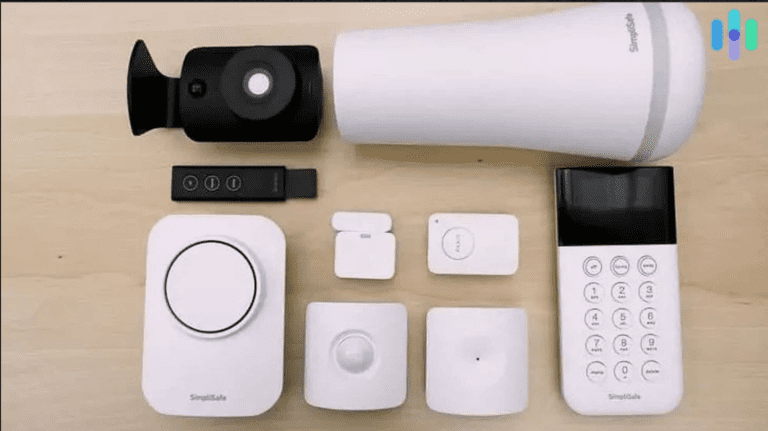
A self-monitored security system puts control in your hands. From installation to responding to alarms, it’s all up to you. The best self-monitored security systems come with basic equipment such as sensors, base stations and optional cameras. All you have to do is set it up and monitor your home with the mobile app.
The trick is finding which systems have the right add-ons, monthly rates, and equipment fees to fit your budget. So, we took a deep dive into some of our favorite DIY self-monitoring home security systems to weigh the pros and cons.
What is a self-monitoring security system?
Security systems include more than alarms and sensors; Someone has to listen to them and respond. The major difference between self-monitoring and professional monitoring systems is who answers the call.
When an alarm goes off on a self-monitored system, it sends an alert to the owner’s mobile app. Alerts can come from motion sensors, contact sensors, cameras, and other devices. The next step is up to the user. From a mobile app on most self-monitoring home systems, users can talk through the cameras, view footage or call authorities.
Professional monitoring systems, on the other hand, send alerts to a monitoring station where a trained professional reviews the situation over the phone. These monitoring professionals can help you decide if the risk is high enough to call the authorities and remediate if necessary.
The good news is that both options can keep your home safe. But the best choice depends on how often you check your security system app and how well you respond to an emergency. For many consumers, there are a few signs that a DIY self-monitoring home security system might be for you.
Pros
- No or low monthly fee
- No middleman
- No false alarm penalties
- Easy portability
- Flexible configuration
Cons
- No backup protection.
- Limited connection
- There is no hardware or installation support.
- No fail-safe option
- Additional stress
Benefits of self-monitoring home security
Here are some of the benefits that the best self-monitored home security systems bring to the table.
No or low monthly fees
You don’t need to pay someone to monitor your system if you do it yourself. Some systems like Nest, Abode, or Wyse allow you to get away with a one-time equipment fee. But the best self-monitoring systems aren’t always cheap.
Some require a minimal commitment such as financing or self-monitoring fees. Scout, for example, charges $10 for an Always On plan that covers app and cellular backup.
Others such as Ring Alarm or Canary offer optional paid perks such as stored video footage. Without these subscriptions, you may be limited to just a few minutes of footage to review.
Even if you’re going with a basic system like Kangaroo, it’s good to read the fine print to make sure you don’t get any surprises on your bank statement each month.
No middleman.
When the sensors on the professionally monitored system are triggered, the alert goes to the monitoring center. From there, trained professionals contact you or call emergency responders.
A self-monitoring system cuts out the middleman, allowing you to assess the situation yourself. This means if your dog raises an alarm or your kids come home early, you won’t have to worry about non-emergencies causing stress.
No false alarm penalty.
In some cities, false alarms involving police or fire personnel can come with fines. The best self-monitored security systems allow you to assess the situation before calling first responders.
Easy portability
Self-monitored home security systems are ideal for renters because they are easy to move from house to house. They are easy to install and don’t have a monitoring center that needs to know your new address. Self-monitoring systems are typically small, making them suitable for apartments, condos, and townhouses.
Flexible configuration
If you change your mind about your security system, self-monitored home security is easy to upgrade, cancel or replace. Plus, there’s no high-pressure sales rep to talk to when you call to cancel or change your plan.
Disadvantages of Self-Monitoring Home Security
No backup.
With a self-monitoring system, you are in control of your alarm system, even in an emergency. Professional surveillance systems watch your home 24/7, so if something goes wrong, you’ll hear about it. Without this additional backup, you may not know about an event if your system loses cellular service or you miss an alarm.
Limited connection
The connection with your security system is as reliable as your phone. “Dead zones,” software crashes, and battery failure can cut your connection to your security system. If you lose cell service or run out of battery while traveling, your security system can’t tell you what happens.
No equipment or installation support
Many professional surveillance systems are also professionally installed. These technicians install your system and help if anything goes wrong. If you set up your self-monitoring system incorrectly, you may not realize it until a problem arises. And if a product goes bad, a helpline may be your only option.
No fail-safe option.
Most professional surveillance systems are equipped with a fail-safe code. This enables you to turn off the alarm siren but still send a distress signal to the monitoring service for assistance. A duress signal exists when an armed intruder forces you to disarm your security system. The feature lets you call for help without tipping off an intruder. Self-monitoring systems do not have this feature.
Added tension.
If you’ve ever been in an emergency situation, you know how much it helps to call the shots with a level head. With a professional monitoring system, once your alarm goes off, you’ll receive a phone call from someone with emergency training. With a self-monitoring system, you’re on your own.
Dangerous smart home security systems
According to the Federal Bureau of Investigation (FBI), in 2014, criminals committed more than 8.2 million property crimes in the United States, approximately 21 percent of which were thefts.
With these kinds of statistics, it’s no surprise that home security systems are on people’s minds. But in a world where technology seems to evolve every month, home security systems have ventured into new territory: smart alarms.
What is a Smart Alarm System?
As recently as 10 years ago, consumers did not have access to technology that allowed them to manage their own home security systems. Smart alarm systems changed that. Originally, traditional security systems were hardwired into the home and monitored by a central station, usually a home alarm company. The customer paid a monthly fee.
Fast forward to today, consumers have smartphones, home networks and wireless technology—all of which can be used by a smart alarm system. People can buy door sensors to detect whether someone is outside or door locks that can be monitored and possibly controlled from one’s cell phone.
In short, smart alarm systems can empower the customer to create their own network of security while maintaining control, usually through their cell phones.
What are the benefits?
More and more homeowners are installing their own smart alarm systems. The benefits are many, including:
Cost: Smart alarm systems can be inexpensive because customers avoid paying someone else to install or monitor them.
DIY: Many people enjoy the do-it-yourself aspect of smart alarms, as they can choose the technology and components that they feel best meet their needs.
Control: Since smart alarm systems do not require the involvement of an alarm monitoring company, the user can maintain control. Many homeowners prefer this level of involvement in their home security monitoring.
What are the challenges?
One of the challenges that smart alarm systems face for users is the risk of being hacked. Home network misconfigurations, device flaws or password compromises can allow a hacker to break into a system and determine if someone is home, or even take control.
Homeowners can take three precautions to prevent hackers from accessing their smart alarm system:
Save the device password. Passwords can contain a mixture of upper- and lower-case letters as well as numbers and other characters, such as question marks or exclamation marks, to help increase security. Also, change the default password and avoid reusing passwords on multiple sites.
Understand the device and the data it processes. Some devices may take photos or videos that may present privacy concerns. Some smart alarm systems rely on cloud technology for data storage and processing. Users should fully understand any privacy implications of the device and associated data, as well as any safeguards provided by the device manufacturer. For example, is video from the camera retained, and if so, is it encrypted and protected when sent to cloud storage?
Apply software updates. Many smart devices are new to the market and may have programming flaws. Security patches and updates must be applied when made available by the manufacturer.
Additionally, recognize that your entire system may not be designed to function during a power outage. To help ensure your system continues to operate during a power outage, if you don’t have an auto-start generator, turn off the Wi-Fi system, control panel and all security monitoring equipment. Consider using a sufficient battery backup for power.
Consumer access to smart technology extends far beyond home security, enabling consumers to manage and monitor many aspects of home ownership, such as water leak detection, building heat loss, garage Ability to remotely open or close doors and turn on. Or turn off small appliances or lights. Whatever technology you plan to use to monitor or control aspects of your home, travel professionals emphasize reaching out to an organization or individual that specializes in smart home technology for help.